
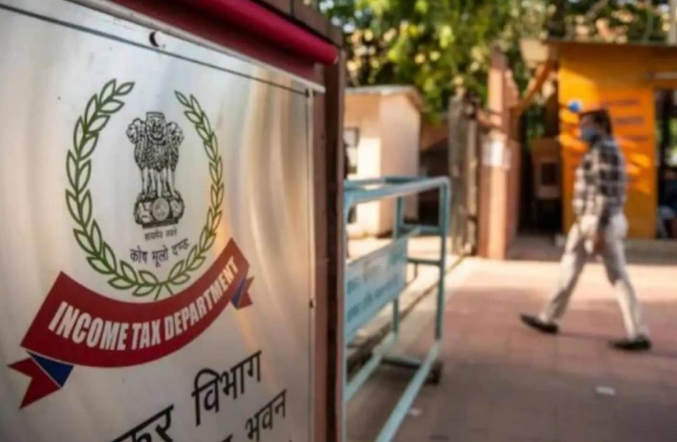
India’s Income Tax Department has initiated a nationwide enforcement drive targeting restaurants suspected of underreporting revenue and evading taxes, signalling a broader effort by authorities to tighten compliance in sectors where digital transactions have grown rapidly.
Officials familiar with the operation say tax authorities are examining financial records, digital payment data and Goods and Services Tax (GST) filings of restaurants across several major cities after detecting inconsistencies between reported turnover and actual transactions.
The action comes as India’s tax administration increasingly relies on data analytics to track discrepancies between declared revenue and electronic payments made through platforms such as Unified Payments Interface (UPI), credit cards and online delivery applications.
According to officials, the hospitality sector has drawn attention because of its heavy reliance on digital payments and its integration with food delivery platforms that generate detailed transaction records. Authorities say the enforcement exercise is not limited to large restaurant chains but also includes mid-sized establishments and independent outlets suspected of suppressing income.
The investigation reflects a broader policy push by the central government to strengthen tax compliance, widen the tax base and ensure fairness among businesses operating within the same sector. With India’s food services industry expanding rapidly due to rising urban consumption and digital ordering platforms, tax authorities say ensuring transparency in financial reporting has become a key priority.
Data Analytics Drives Enforcement Strategy
Officials involved in the investigation say the enforcement drive is based on data analysis conducted by the Income Tax Department’s risk-assessment systems, which compare financial declarations with digital transaction patterns.
Using advanced analytics tools, authorities have examined payment records generated through digital payment platforms, card networks and online food aggregators to identify restaurants where declared turnover appears inconsistent with actual transaction flows.
India’s digital payments ecosystem has grown dramatically over the past decade, with the Unified Payments Interface becoming one of the world’s largest real-time payment systems. According to the National Payments Corporation of India, UPI transactions exceeded 12 billion transactions in a single month in 2024, reflecting the scale of digital financial activity now available for regulatory analysis.
Officials say such data enables authorities to detect discrepancies between income declared in tax returns and the revenue suggested by digital payment activity.
Tax officials say the investigation focuses particularly on cases where restaurants may have reported lower revenues to reduce income tax liabilities or understate GST obligations. By cross-referencing multiple datasets—including GST filings, bank statements and payment gateway records—the department aims to build a clearer picture of actual business activity in the sector.
Authorities say the use of data analytics represents a shift toward more targeted enforcement rather than broad, untargeted inspections.
Focus on GST–Income Tax Discrepancies
Another major component of the investigation involves comparing information filed under India’s Goods and Services Tax system with income tax returns submitted by businesses.
Since restaurants must report detailed sales information under GST filings, authorities say these records provide a valuable benchmark for evaluating whether income tax declarations accurately reflect business revenues.
Officials say preliminary analysis has identified several cases where GST filings indicate higher sales figures than those reported in income tax returns, raising suspicions of deliberate underreporting. Such discrepancies may occur when businesses maintain multiple sets of accounts or exclude certain digital payments from official revenue records.
The hospitality sector has long been considered vulnerable to tax evasion because of its cash-intensive nature and the complexity of tracking thousands of small transactions generated daily by restaurants. However, the rapid shift toward digital payments has reduced the anonymity of many transactions.
Authorities say this trend has made it easier for regulators to identify inconsistencies between payment flows and tax declarations.
Tax experts say the current enforcement drive reflects a growing effort by the government to integrate GST and income tax data systems to create a more comprehensive picture of economic activity. By linking information across multiple tax frameworks, regulators hope to reduce loopholes and strengthen compliance across industries.
Impact on India’s Restaurant and Hospitality Industry
India’s restaurant and food services sector has expanded significantly in recent years, driven by urbanisation, rising disposable incomes and the growth of online food delivery platforms such as Swiggy and Zomato.
According to industry estimates, the sector is valued at over ₹4.2 lakh crore and employs millions of workers across the country, making it one of the largest segments within India’s broader hospitality industry.
While most businesses operate within legal tax frameworks, officials say enforcement actions are necessary to ensure fair competition within the industry. Authorities argue that businesses that evade taxes gain an unfair advantage over compliant competitors by reducing their operational costs.
Strengthening tax compliance, they say, helps create a level playing field for all operators in the sector.
Industry representatives have acknowledged that improved financial transparency is becoming unavoidable as digital payments and electronic accounting systems become standard. Many restaurant chains have already adopted integrated billing and accounting platforms that automatically record transactions and link them with tax filings.
However, smaller establishments sometimes rely on manual accounting systems that may not capture every transaction, increasing the risk of reporting discrepancies.
The enforcement drive is expected to encourage restaurants to adopt stronger accounting practices and improve financial reporting. Experts say the long-term impact may include greater digitalisation of financial systems within the hospitality industry, reducing the scope for unreported transactions.
Government’s Broader Push for Tax Compliance
The investigation into restaurant tax practices is part of a broader strategy by the Indian government to improve tax compliance through data integration and digital monitoring systems.
Over the past decade, authorities have introduced several reforms designed to reduce tax evasion and increase transparency in financial reporting.
Key initiatives include the implementation of the Goods and Services Tax in 2017, the expansion of digital payments infrastructure and the integration of financial databases across regulatory institutions.
These measures have significantly improved the government’s ability to monitor economic activity and identify irregularities in tax filings.
Officials say the use of data analytics allows regulators to focus enforcement efforts on specific high-risk cases rather than conducting widespread inspections that disrupt legitimate businesses. By analysing transaction patterns and financial records, authorities can identify anomalies that warrant closer investigation.
Government officials argue that stronger tax compliance ultimately benefits the broader economy by increasing public revenue and reducing the burden on honest taxpayers. Additional tax revenue supports public investment in infrastructure, social welfare programmes and economic development initiatives.
Outlook
The nationwide investigation into restaurant tax practices reflects the increasing role of digital technology in modern tax administration. As electronic payments and integrated financial databases become more widespread, regulators are gaining unprecedented visibility into business transactions across sectors.
For the restaurant industry, the enforcement drive serves as a reminder that accurate financial reporting is becoming essential in an increasingly digital economy. Businesses that rely on transparent accounting systems and properly documented transactions are likely to face fewer regulatory challenges in the future.
For policymakers, the crackdown underscores the importance of building a tax system that balances enforcement with ease of compliance. As India continues to expand its digital financial infrastructure, authorities expect data-driven monitoring to become a central feature of tax administration.