
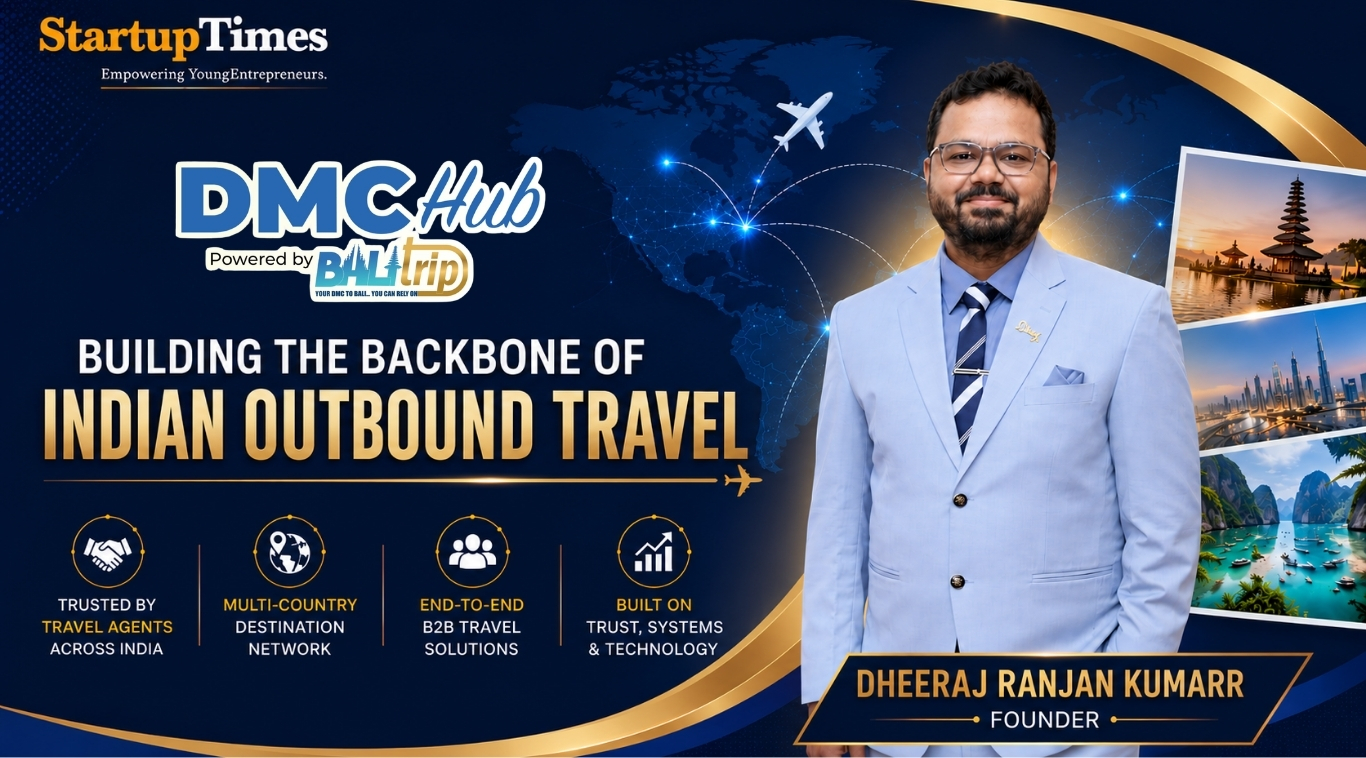
Building the Backbone of Indian Outbound Travel: The Story of Dheeraj Ranjan Kumarr and DMC Hub
Discover how Dheeraj Ranjan Kumarr built DMC Hub and Balitrip Wisata into a trusted B2B destination management network for Indian outbound travel.
In a business where one missed quotation can cost a client and one delayed confirmation can cost a relationship, Dheeraj Ranjan Kumarr decided early on that he did not want to run just another destination management company. He wanted to build the machinery behind one. Today, as Founder and Group Principal of Balitrip Wisata and DMC Hub, he is turning a single-destination Bali specialist into a structured, multi-country ecosystem built for the Indian travel trade.
A Problem Hiding in Plain Sight
Dheeraj did not stumble into the travel industry chasing a trend. He built his career around destination management, source-market development, and the unglamorous but essential work of making cross-border travel dependable. Along the way, he kept hearing the same complaint from agents across India: demand was never the problem, the backend was.
Quotations took too long to arrive. Pricing shifted without warning. Coordination on the ground was inconsistent, and when something went wrong mid-trip, there was rarely one person an agent could call who actually had control over the situation. For a country with as much outbound travel potential as India, this was a strange gap to leave open.
That realisation became the spark. The market did not need another DMC adding noise to an already crowded field. It needed one that understood the Indian source market from the inside and controlled the destination experience on the ground. That single insight shaped everything that followed.
From Bali Specialist to Source-Market Ecosystem
Balitrip Wisata began as a focused Bali operation, and Bali remains, in Dheeraj's words, the emotional and operational heart of everything the company has built since. Over the years, the team developed deep destination strength there, working closely with hotels, villas, airlines, and local partners to build a network strong enough that, the company says, no client relationship has been lost to inconsistency.
That depth became the template. Rather than spreading thin across every destination at once, DMC Hub grew the way a serious business should, one well-built market at a time. Sri Lanka and Vietnam followed Bali, and the Philippines joined the portfolio in late 2025, with Dubai, Thailand, and other priority markets in the pipeline. Each addition follows the same playbook: direct on-ground presence, centralised contracting, and local teams who understand the destination and the expectations of an Indian traveller.
The result is a company that today serves the full spectrum of B2B travel demand, FIT packages, group series and fixed departures, MICE and incentive movements, luxury travel, flight-inclusive packages, and agent training, all run through one accountable structure instead of a patchwork of vendors.
Earning Trust the Slow Way
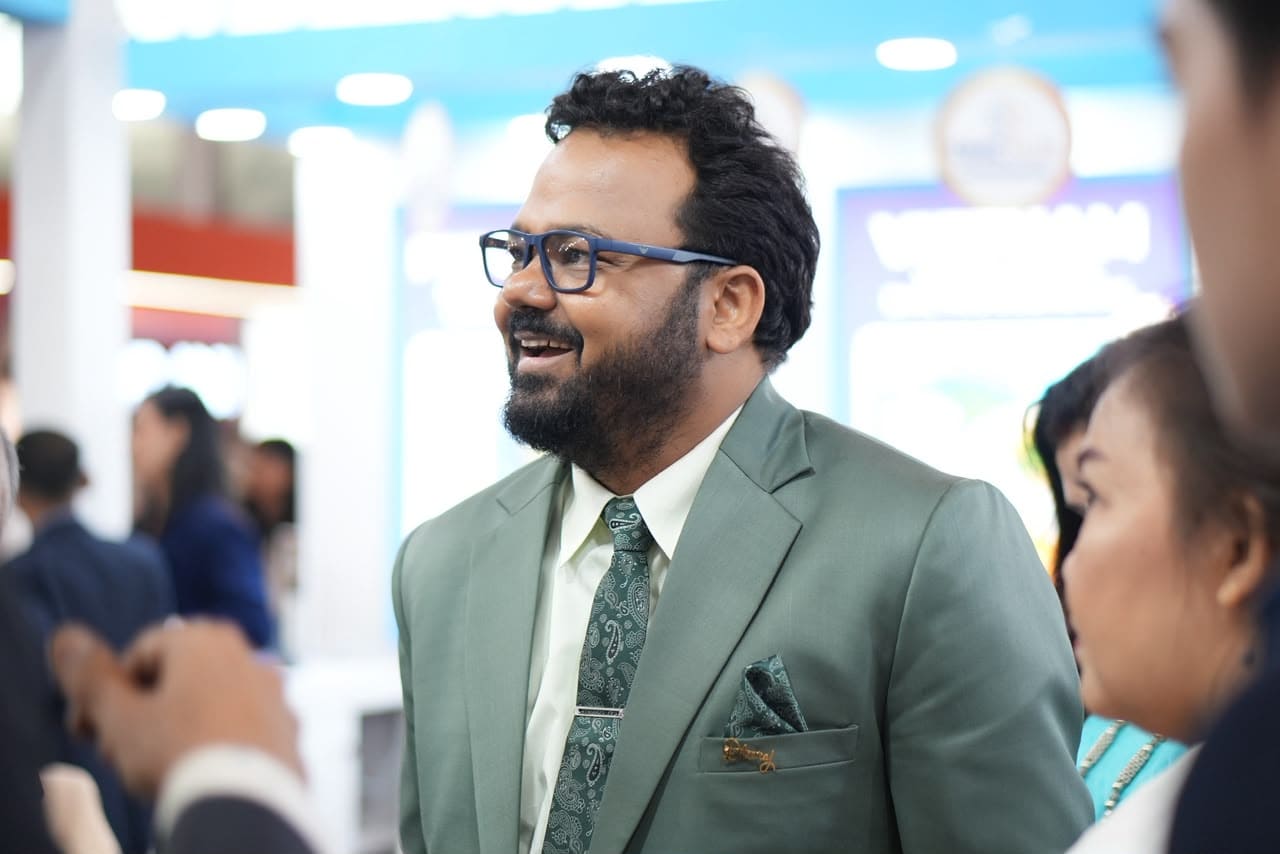
Ask Dheeraj about the hardest part of building DMC Hub, and he will not point to a single dramatic crisis. He points to trust, and how long it actually takes to earn in an industry where agents have often been burned before. "Trust is not built through one campaign or one good season," he says. "It is built through repeated delivery, honest communication, and problem-solving when pressure comes."
The second challenge was less obvious but just as real: scaling without losing control. Travel businesses can grow fast and fall apart just as fast without structure behind the growth. Dheeraj made a deliberate call to move the company away from a model that depended on individual people and toward one driven by process, investing in SOPs, CRM discipline, structured reporting, dedicated destination teams, and a leadership culture that holds itself accountable for outcomes, not just effort.
There was also a mindset shift the whole organisation had to make: speed matters enormously in this business, but speed without accuracy creates a different kind of damage. Getting every team to see that conversion, follow-up, and service quality are connected took time and repetition.
The Shift That Changed Everything
If there is one moment Dheeraj points to as the real turning point, it is the evolution from Balitrip Wisata as a strong single-destination DMC into DMC Hub as a structured, multi-destination platform. That shift changed more than the company's footprint. It changed how the team thought about the business itself.
Instead of looking at one destination in isolation, the company began building what Dheeraj describes as a source-market-driven global DMC network, with India as the engine and Bali as the proof of concept. A new B2B portal, a move toward live inventory, and a clearer expansion strategy followed, signalling that the Indian travel trade was ready for a more organised, technology-enabled, and accountable way of working with DMCs.
What Comes Next
Dheeraj is candid about where he wants DMC Hub to be in five years: one of the most trusted source-market-driven global DMC networks operating out of India. That means strengthening Bali further while building real depth, not just a presence, across key Asian and international destinations.
Technology sits at the centre of that plan: automation, AI-supported workflows, CRM-based query management, live inventory, and stronger B2B booking systems, alongside deeper partnerships with tourism boards, airlines, hotels, and serious destination suppliers. The ambition is not to be everywhere. It is to give agents one dependable ecosystem across multiple destinations, rather than a different headache for every country they sell.
As Dheeraj puts it, Bali is the heart of the business, and Asia is the runway.
A Word for Other Founders
For entrepreneurs looking to build something of their own, Dheeraj's advice mirrors the philosophy that built DMC Hub. Do not start a business because a sector looks attractive from the outside. Start because you understand a real problem deeply, and are willing to sit with it long enough to solve it properly.
He is equally direct about what entrepreneurship demands. "It is about pressure, cash flow, people, discipline, trust, execution, and resilience," he says, pushing back on the instinct many founders have to focus on branding before they have built a foundation that can carry it. Build systems early, build relationships honestly, respect your team, and stay close to your customers, rather than copying what the market is already doing.
Above all, he believes a business should never run on one person's energy alone. It should run on structure, values, and accountability. That, he says, is the difference between an idea and an institution.
From a single-destination Bali specialist to a multi-country DMC network serving Indian outbound travel, Dheeraj Ranjan Kumarr's journey with Balitrip Wisata and DMC Hubreflects what patient, system-first entrepreneurship looks like in an industry built on trust. Follow his work on LinkedInor on Instagram at Luckydhiraj.

Leave a comment
Your email address will not be published. Required fields are marked *
Add a newsletter to your widget area.
Top Stories